
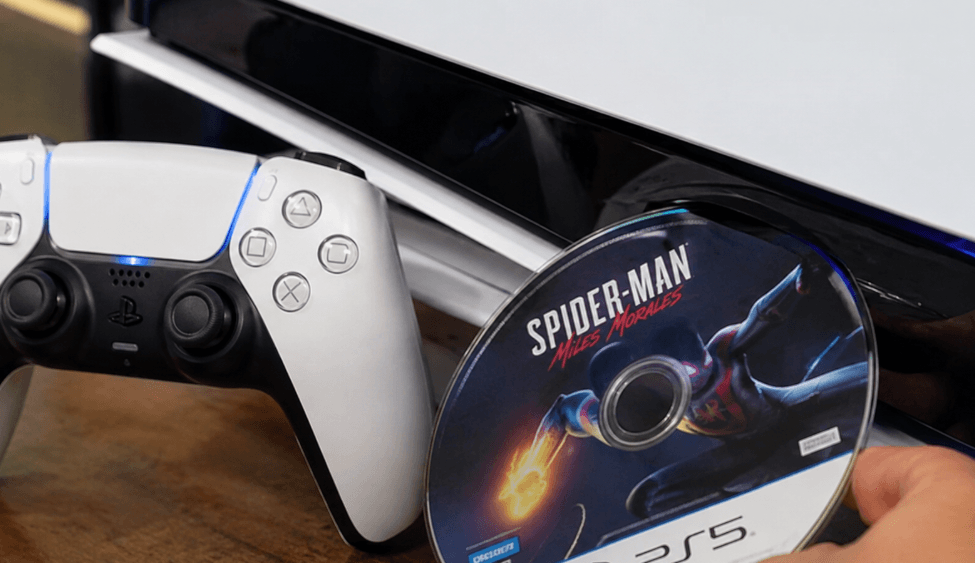
The debate over physical versus digital video games is intensifying as Sony faces mounting criticism from PlayStation players who want to preserve disc-based gaming. A grassroots campaign urging the company to maintain support for physical game releases has gained significant momentum, highlighting growing concerns about consumer ownership, resale rights, and long-term access to purchased titles.
Growing Petition Challenges Sony’s Digital Strategy
An online campaign titled “Don’t Kill the Disc” has now collected more than 356,000 signatures, with supporters calling on Sony to reconsider plans that critics believe could phase out physical game discs beginning in 2028.
The petition has attracted renewed attention after Sony publicly addressed the criticism but indicated it has no plans to change its long-term direction. According to the company’s position, PlayStation will continue moving toward a digital-first ecosystem for both the current PlayStation 5 and the upcoming PlayStation 6.
For many players, the issue extends beyond nostalgia. Physical game collections remain popular among gamers who value ownership, the ability to lend or resell games, and the security of having titles that are not tied exclusively to an online marketplace.
Concerns Over Ownership and the Used Game Market
The controversy has become one of Sony’s most significant public relations challenges in recent years. Some industry observers compare the level of community frustration to the widespread criticism the company faced following the PlayStation Network outage in 2011, which raised broader concerns about reliance on digital services.
Many gamers argue that eliminating physical discs would leave consumers increasingly dependent on Sony’s digital storefront. Unlike physical copies, digital purchases generally cannot be resold or traded, limiting options that many players have relied on for years to offset the cost of new games.
The issue is especially relevant in markets where secondhand game sales remain a major part of the gaming ecosystem. Players also worry that an all-digital future could reduce consumer choice while giving platform owners greater control over pricing and game availability.
Why Sony May Be Moving Away From Physical Media
Industry analysts say Sony’s strategy is driven largely by financial and operational considerations.
Selling games digitally allows the company to avoid sharing revenue with traditional retail chains and eliminates manufacturing, packaging, and distribution costs associated with physical discs. A fully digital marketplace also reduces the size of the secondhand market, where publishers and console manufacturers do not receive revenue when games are resold.
From Sony’s perspective, expanding digital distribution could also improve platform security and simplify software delivery through direct downloads and updates.
What It Could Mean for U.S. Gamers
In the United States, digital game sales have steadily increased over the past decade, but millions of players still purchase physical copies from major retailers or the used game market. Disc-based games remain popular among collectors, budget-conscious consumers, and players with slower internet connections who prefer installing games from physical media.
If Sony ultimately shifts entirely to digital releases in the coming years, it could fundamentally change how PlayStation owners buy, share, and preserve their game libraries.
The Debate Is Far From Over
Although Sony appears committed to its digital strategy, the growing support for the “Don’t Kill the Disc” campaign demonstrates that a substantial segment of the PlayStation community continues to value physical media.
Whether consumer pressure will influence Sony’s long-term plans remains uncertain. For now, the company is maintaining its course toward a digital-first future, while many gamers continue advocating for the preservation of physical game ownership and the secondary market that has long been part of the gaming industry.

Henryk Sienkiewicz jest współpracownikiem Appki.com.pl i zajmuje się tematami związanymi z aktualnościami, polityką, biznesem, technologią, sportem, rozrywką oraz stylem życia. Koncentruje się na rzetelnym przekazywaniu informacji, bieżących wydarzeniach i tematach ważnych dla czytelników. Jego artykuły przedstawiają istotne wiadomości i trendy w sposób przejrzysty, zrozumiały i przyjazny dla odbiorców.









Leave a Reply